August 28, 2026
Bringing home a new puppy is exciting, but it also comes with important responsibilities during the first few weeks. One of the earliest priorities is establishing veterinary care so your puppy can receive appropriate examinations, preventive care, and guidance as they grow. Choosing a local vet clinic early can also make it easier to build a long-term relationship with professionals who become familiar with your puppy's health history, development, and changing needs over time.
Timing is important during this early stage of life. According to the American Animal Hospital Association, most puppies should have their first veterinary appointment between 6 and 8 weeks old for an initial examination, vaccinations, and appropriate parasite treatments or preventatives. While each puppy may have different needs based on age, background, and health history, early veterinary care helps establish a clear starting point.
Preparing for the First Appointment
Gathering Available Health Records
If your puppy came from a breeder, rescue organization, shelter, or previous owner, you may have received vaccination records, deworming information, medical notes, or other health documents. Bringing these records to the appointment helps the veterinary team understand which services have already been completed and which may still be needed.
Providing Background Information
Veterinary professionals may ask questions about where the puppy came from, how long they have been in your home, and whether you have noticed any changes in appetite, energy, stool, or behavior. Sharing this information gives the care team useful context for evaluating overall health.
Planning Comfortable Transportation
The trip to a local vet clinic may be one of your puppy's first car rides after coming home. Keeping transportation secure and comfortable can help reduce unnecessary stress before the examination.
Preparing Important Questions
New puppy owners often have questions about feeding, sleep, socialization, house training, exercise, and preventive care. Writing down concerns before the appointment can make it easier to remember them during the visit.
Completing the Initial Health Examination
Checking Overall Appearance
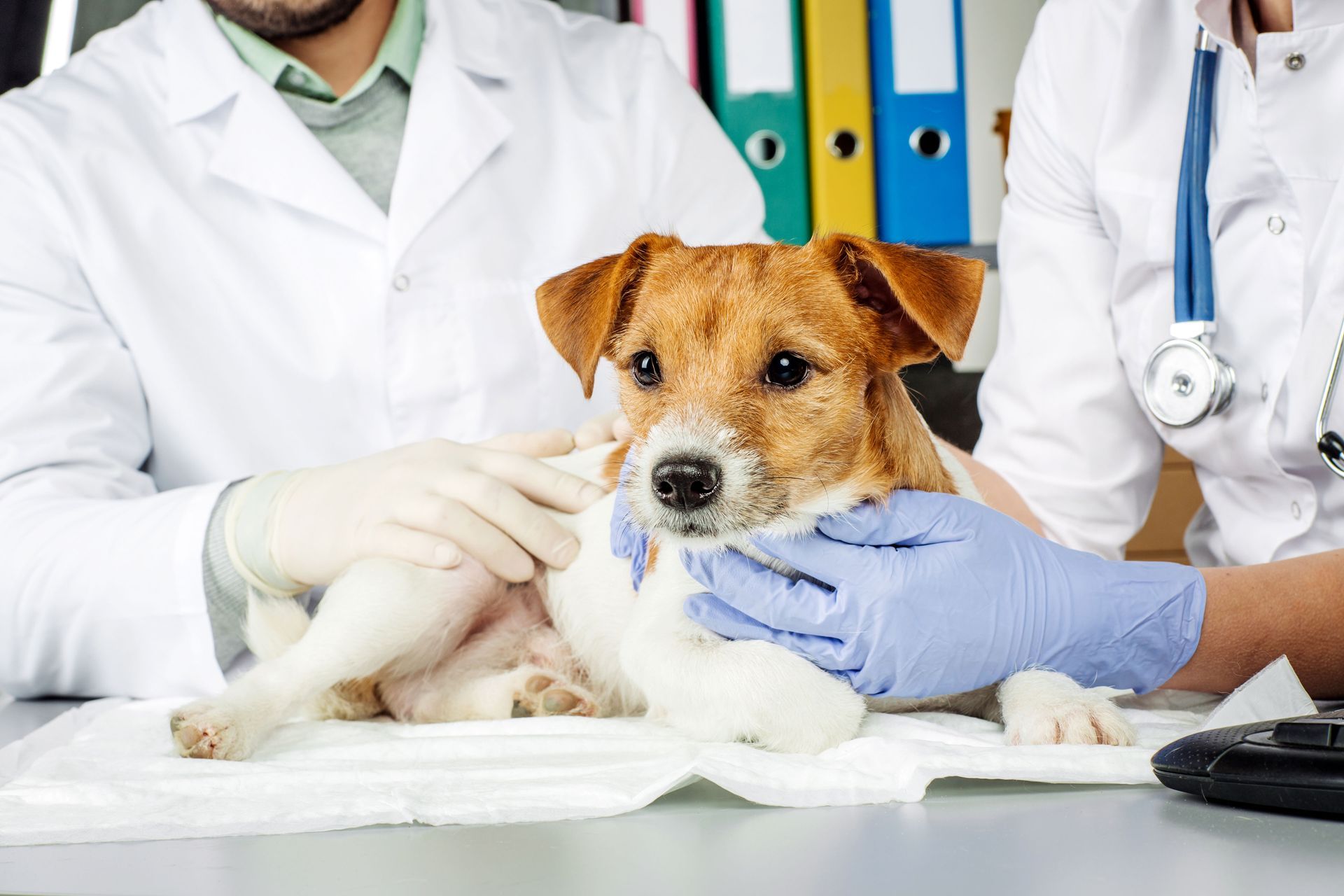
The veterinarian typically begins by observing the puppy's overall condition, posture, movement, alertness, and body condition. These general observations provide useful information before the more detailed physical examination begins. Puppies grow rapidly, so establishing an early baseline helps the veterinary team monitor development during future visits.
Examining Major Body Systems
A comprehensive examination may include checking the puppy's eyes, ears, mouth, skin, coat, heart, lungs, abdomen, joints, and other areas. The goal is to look for signs that may require additional attention while confirming that development appears appropriate. A local vet clinic can also document findings so changes are easier to identify at later wellness appointments.
Monitoring Weight and Growth
Weight is an important indicator of puppy development. The veterinary team may record your puppy's weight and discuss how growth relates to breed, expected adult size, and overall body condition. Regular measurements at future appointments allow the team to monitor whether development remains consistent as nutritional and activity needs change.
Discussing Developmental Concerns
Owners may notice behaviors or physical characteristics they are unsure about during the first weeks at home. The initial examination provides an opportunity to discuss those observations with a veterinary professional.
Reviewing Vaccination and Preventive Care
Discussing Vaccination Needs
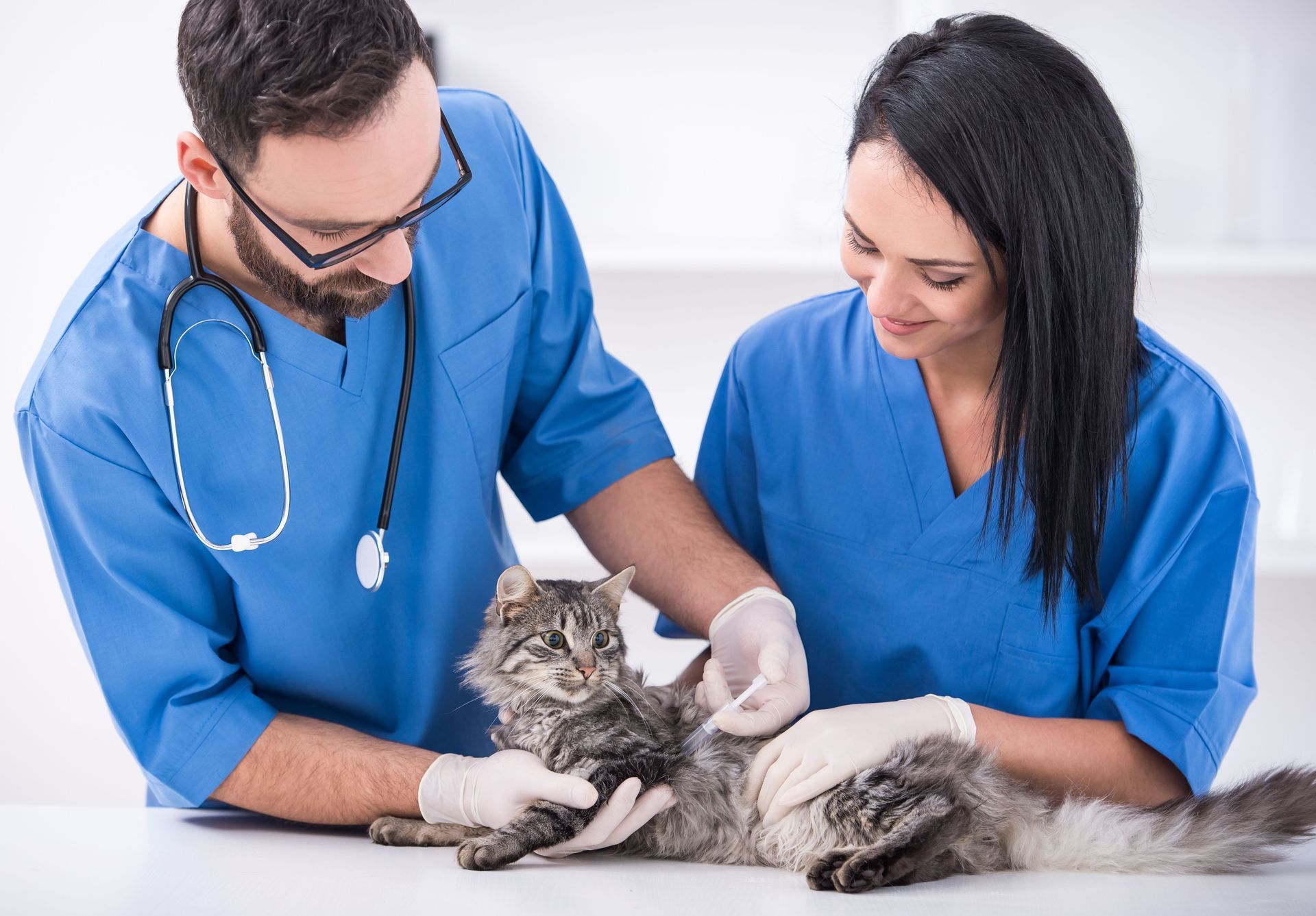
Puppies typically receive a series of vaccines during their first months of life because their immune systems are still developing. The specific schedule may vary based on age, health history, lifestyle, and regional risk factors.
Evaluating Parasite Prevention
Young dogs may be vulnerable to internal and external parasites, making preventive care an important part of early veterinary visits. Depending on the puppy's history and circumstances, the veterinary team may discuss testing, treatment, or preventive products. Professional guidance helps ensure that recommendations are appropriate for the puppy's age and weight.
Planning Future Appointments
The first visit is usually only the beginning of a puppy's early wellness schedule. Additional appointments may be necessary for vaccine boosters, growth monitoring, preventive care, or other recommended services. Establishing these visits with a local vet clinic helps owners stay organized during a period when a puppy's health needs may change quickly.
Reviewing Identification Options
Veterinary teams may also discuss permanent identification methods, such as microchipping, as part of preventive planning. Identification can provide an additional layer of protection if a puppy becomes separated from their family.
Discussing Nutrition and Daily Wellness
Reviewing Feeding Requirements
Puppies require nutrition that supports rapid growth and development. Nutritional recommendations may vary based on breed, expected adult size, activity level, and individual health considerations. Veterinarians can provide guidance regarding appropriate puppy food, feeding frequency, and portion considerations without relying solely on generalized recommendations.
Monitoring Healthy Weight
Maintaining an appropriate body condition during puppyhood supports healthy development. Too much or too little food may affect growth, which is why regular weight checks can be useful during early veterinary visits. A local vet clinic can track changes over time and adjust recommendations as a puppy grows.
Discussing Exercise Needs
Puppies often have abundant energy, but their developing bodies require age-appropriate activity. Veterinary professionals can discuss general exercise expectations based on the puppy's age, breed characteristics, and overall health.
Reviewing Dental Health
Dental wellness begins earlier than many owners realize. During the examination, the veterinarian may check the puppy's teeth, gums, and bite while discussing how dental health fits into long-term care. Establishing awareness of oral health early can make future preventive care easier as permanent teeth develop.
Planning for Behavior and Social Development
Understanding Puppy Behavior
Chewing, mouthing, barking, jumping, and frequent bursts of energy are common during puppyhood. Veterinary professionals can help owners understand which behaviors are typical for a puppy's developmental stage. Knowing what to expect can reduce frustration while helping families recognize when a particular behavior may require additional support.
Discussing Socialization
Early social experiences can influence how puppies respond to new people, environments, sounds, and situations later in life. A veterinarian can discuss appropriate socialization considerations while taking the puppy's vaccination status and health into account.
Addressing Training Questions
New owners frequently have questions about house training, crate routines, sleep schedules, and basic manners. Although veterinary care and professional training serve different purposes, veterinary teams can offer general developmental guidance and may recommend additional resources when appropriate.
Creating Positive Veterinary Experiences
Early appointments can influence how a puppy responds to veterinary care in the future. A calm, supportive environment and gentle handling can help make visits feel less intimidating. Building familiarity with a local vet clinic during puppyhood may contribute to easier examinations and preventive care throughout adulthood.
Building a Long-Term Wellness Plan
Scheduling Routine Examinations
Regular veterinary visits allow professionals to monitor changes that occur as a puppy develops into an adult dog. Wellness examinations provide opportunities to review weight, behavior, preventive care, and overall health while updating recommendations as needed.
Updating Preventive Recommendations
A puppy's preventive needs may change based on age, lifestyle, travel, environment, and other factors. Veterinary teams can adjust recommendations as these circumstances evolve. Continuing care with the same practice can make these conversations easier because the team already understands the dog's history and previous treatments.
Monitoring Changes Over Time
Having an established medical baseline makes it easier to identify meaningful changes later. Weight trends, physical examination findings, vaccination history, and previous concerns all provide useful context when new questions arise. Ongoing care through a local vet clinic helps create a complete health history that supports informed decisions throughout the dog's life.
Supporting Every Life Stage
Puppyhood is only the beginning of a long relationship between pets, families, and veterinary professionals. As dogs mature, their needs may shift from developmental care toward adult wellness and eventually senior support. Establishing trusted veterinary care early provides continuity that can remain valuable through every stage of life.
Your puppy's first veterinary visit provides much more than a single health check. It creates an opportunity to establish medical records, assess growth, review preventive care, discuss nutrition, address behavioral questions, and develop a plan for future appointments. Working with a local vet clinic from the beginning can help owners feel more confident while ensuring their puppy receives professional guidance during a period of rapid development.
If you have recently welcomed a puppy into your family, contact Franklin Veterinary Associates today to schedule an initial appointment with a local vet clinic and begin building a personalized plan for your puppy's ongoing health and wellness.