May 19, 2026
The relationship between humans and their animal companions has undergone a significant transformation. Pets are no longer just outdoor guards or functional workers; they are integral members of the family unit. This shift has placed a greater responsibility on modern veterinary medicine to provide comprehensive, sophisticated care for a diverse range of species.
Advancing Preventive Healthcare Strategies
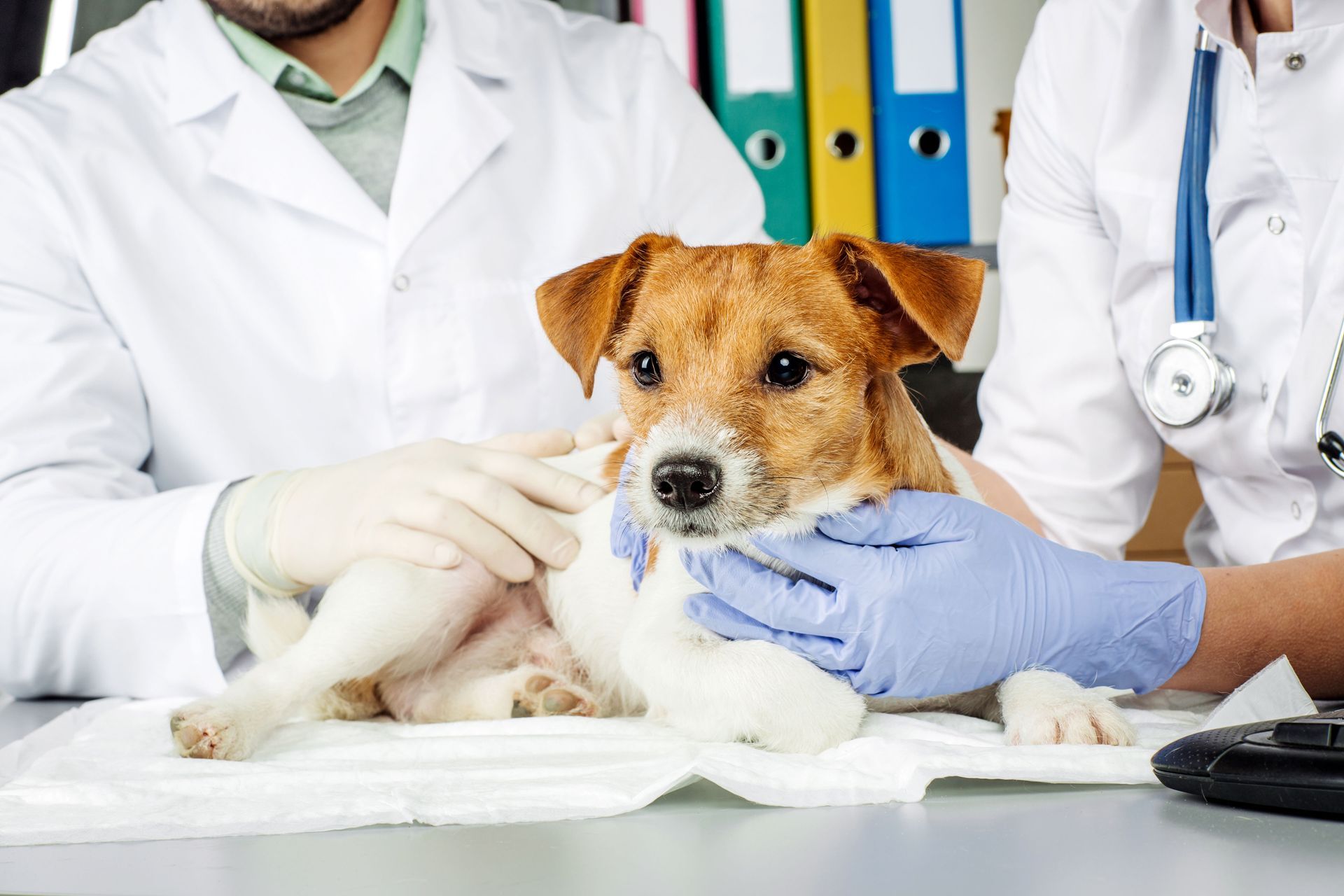
Modern veterinary medicine focuses heavily on proactive wellness rather than reacting only when an illness becomes apparent. By scheduling regular visits to vet clinics, owners can identify potential health issues before they escalate into serious conditions. These visits typically include physical examinations, nutritional consultations, and baseline screenings that help track changes in a pet's health over time. Routine monitoring serves as a vital tool for catching subtle shifts in biology that might otherwise go unnoticed.
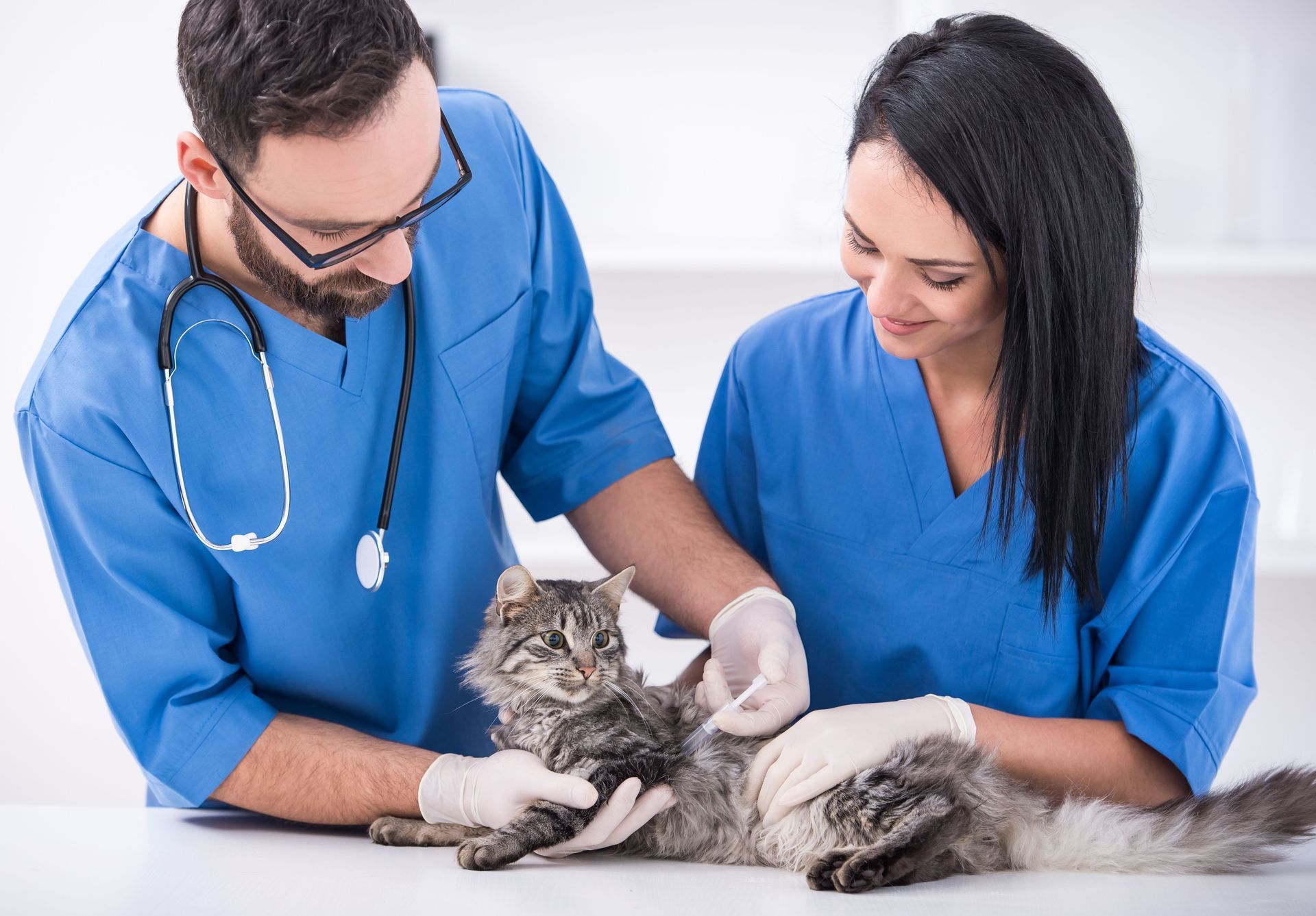
Preventive care also involves a rigorous approach to immunization and parasite control. Maintaining a consistent schedule for vaccinations protects animals from life-threatening diseases that were once common. Additionally, managing pests like fleas and ticks is vital for the comfort of the animal and the safety of the household. Professionals provide tailored plans based on the specific lifestyle and geographic risks of each individual patient. Consistent protection remains the most effective way to avoid the high costs and stress associated with preventable infections.
Beyond physical health, practitioners now emphasize the importance of behavioral wellness and mental stimulation. Identifying signs of anxiety or cognitive decline early allows for interventions that improve the overall quality of life for the animal. This holistic approach helps bridge the gap between basic survival and a truly thriving existence, making the bond between owner and pet even stronger through shared health goals. A happy pet often displays better physical resilience and a more balanced temperament within the home environment.
Integrating Specialized Medical Technologies
The diagnostic capabilities available at contemporary vet clinics have expanded to include advanced imaging and laboratory testing. Digital radiography, ultrasound, and high-speed blood analyzers allow for rapid results and precise interventions. These tools enable medical teams to visualize internal structures and metabolic functions with clarity that was previously reserved for human hospitals, facilitating faster recovery times. Having access to on-site testing reduces the waiting period for critical answers during a health scare.
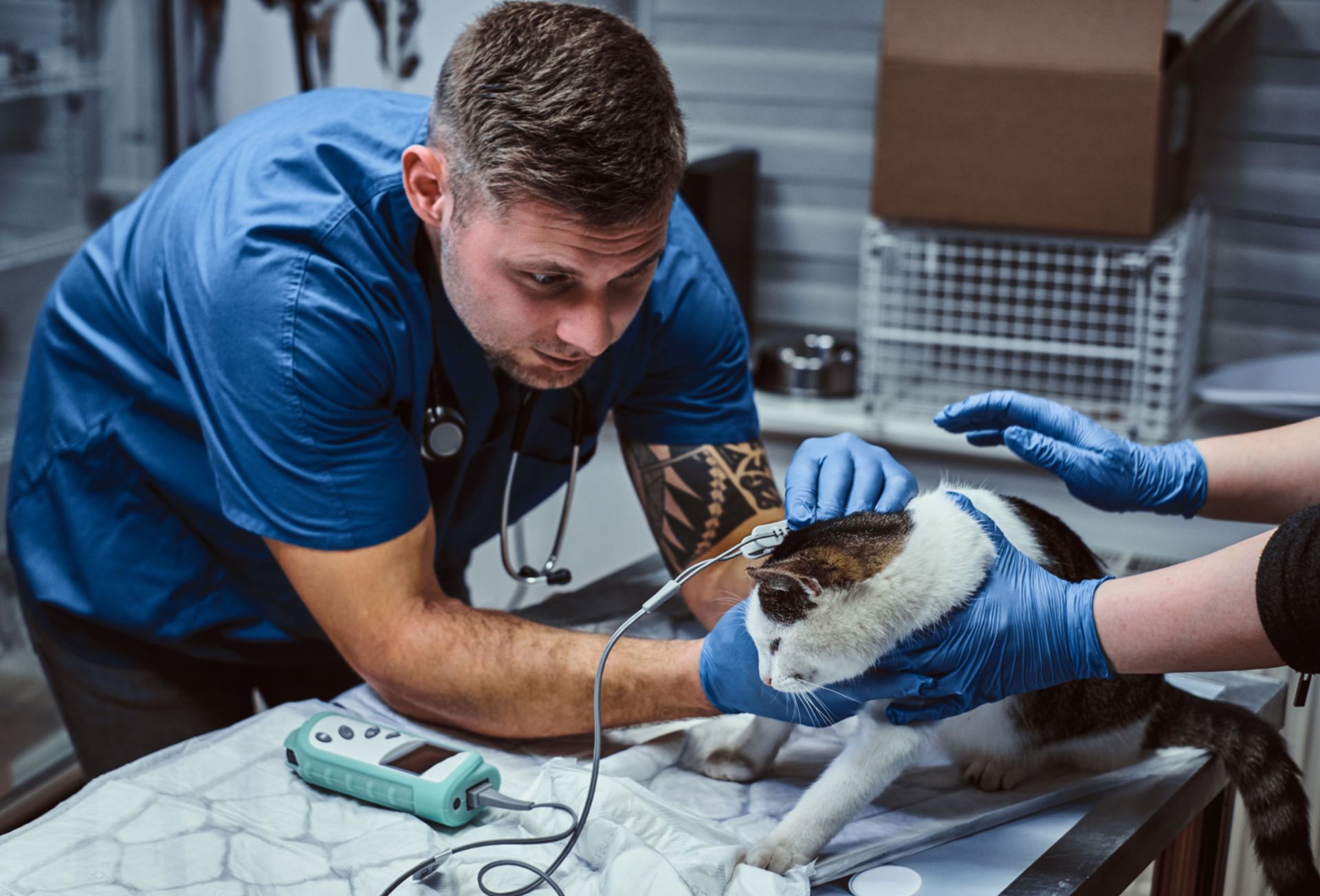
Surgical precision has also improved through the use of refined anesthesia protocols and monitoring equipment. Modern facilities utilize sensors that track oxygen levels, blood pressure, and heart rhythms in real time during procedures. This focus on safety allows for more complex surgeries to be performed on older or high-risk patients who might have been considered ineligible for treatment in previous decades. State-of-the-art equipment minimizes risks and allows for a more controlled environment during delicate operations.
According to Grand View Research, the world market for veterinary services is projected to reach $281.93 billion by 2033. This growth reflects the increasing investment in high-tech solutions and specialized care pathways. As the industry evolves, the integration of electronic medical records and telemedicine options further enhances the ability of medical staff to coordinate care and maintain accurate histories for every animal they treat. Digital tracking allows for seamless communication between different departments within a medical facility.
Supporting Geriatric Animal Populations
As nutrition and medicine improve, pets are living longer than ever before, creating a unique set of needs for aging animals. Specialized care at vet clinics often involves managing chronic conditions such as arthritis, kidney disease, and heart issues. Long-term management plans focus on maintaining mobility and comfort, allowing senior pets to enjoy their golden years with dignity and minimal pain. Proper intervention can significantly extend the period of time a pet remains active and engaged.
Palliative care has become a cornerstone of geriatric medicine, prioritizing the comfort of the patient over invasive cures when appropriate. This involves customized medication regimes, physical therapy, and environmental modifications recommended by veterinary professionals. By focusing on the nuances of senior health, medical teams help owners navigate the complexities of aging with compassion and technical expertise. Modern medicine offers various avenues to keep an aging animal comfortable without resorting to overly aggressive measures.
Dental health is another critical area that requires attention as animals age. Periodontal disease can lead to systemic infections that affect the heart and kidneys if left unaddressed. Professional cleanings and oral surgeries are essential components of senior wellness, preventing chronic pain and ensuring that older animals can continue to eat and play without discomfort throughout their later life stages. Keeping the mouth healthy is a fundamental part of maintaining the overall systemic health of a senior pet.
Enhancing Emergency Medical Response
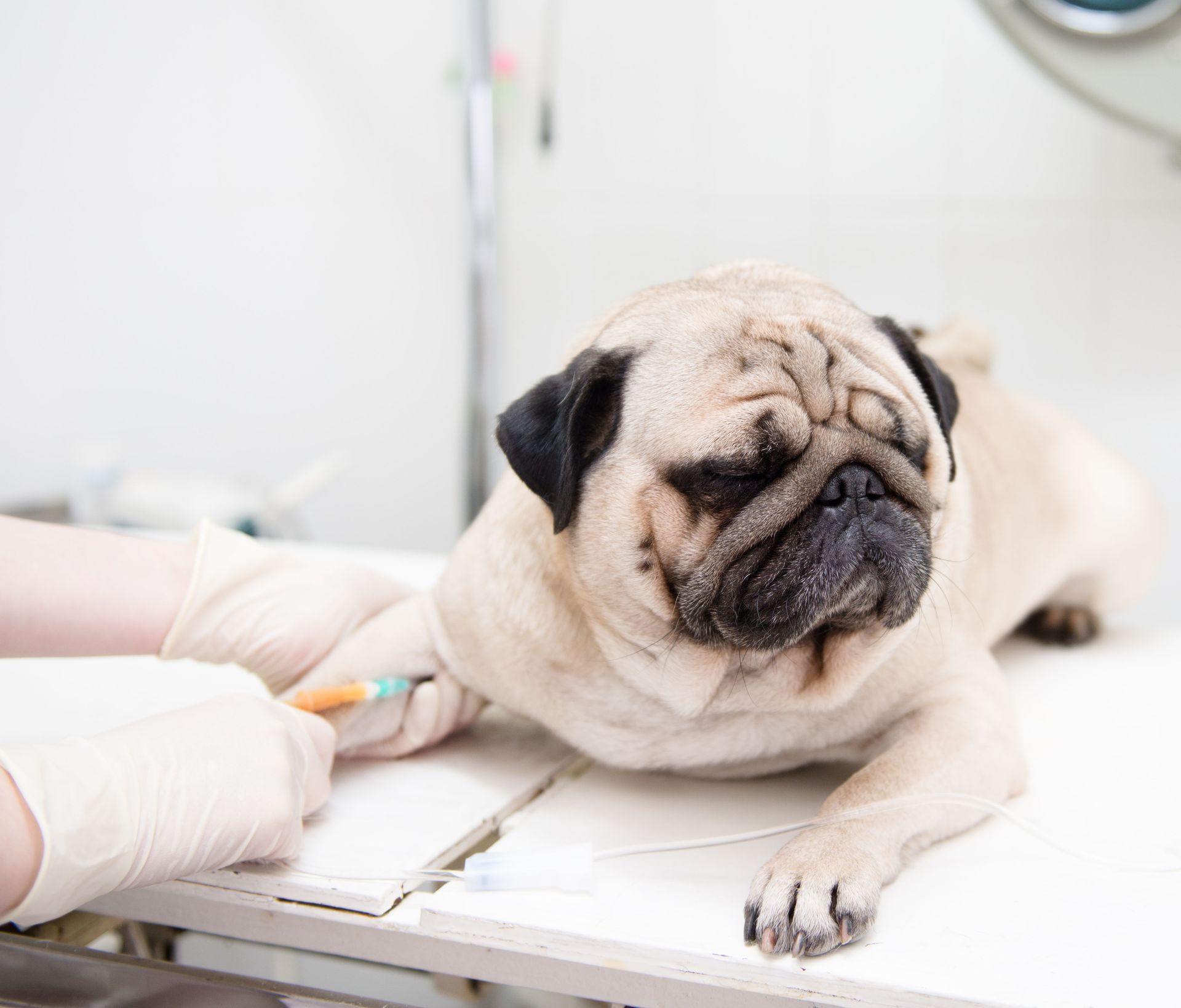
Accidents and sudden illnesses require a swift and organized response from trained medical professionals. The infrastructure of modern vet clinics is designed to handle urgent cases with efficiency, featuring dedicated triage areas and immediate access to life-saving medications. Having a reliable location for emergency intervention provides a safety net for owners facing unexpected medical crises with their pets. Preparedness in these moments is essential for stabilizing a patient before further complications arise.
Critical care units are equipped to handle patients requiring intensive monitoring and oxygen therapy. These facilities operate with a high level of preparedness, ensuring that the necessary supplies and expertise are always available for trauma victims or pets in respiratory distress. The ability to stabilize a patient quickly is often the deciding factor in a successful outcome for acute medical emergencies. Specialized staff stay ready to jump into action whenever a critical situation walks through the doors.
Effective emergency response also relies on clear communication between the medical team and the pet owner. During high-stress situations, professionals provide calm, clear explanations of the situation and the necessary steps for stabilization. This clarity helps owners make informed decisions about their pet's care during a crisis, relying on the structured environment and expertise found within a clinical setting. Transparent updates during an emergency can help lower the anxiety levels of everyone involved in the process.
Educating Owners on Wellness
A significant portion of the work done at vet clinics involves teaching owners how to provide the best possible environment for their animals. Nutritional counseling helps prevent obesity, which is a leading cause of secondary health problems in domestic pets. By understanding the specific caloric and vitamin requirements of different breeds and life stages, owners can make better daily choices for their companions. Correct feeding habits are often the simplest way to add years to an animal's life.
Guidance on home care routines, such as ear cleaning and coat maintenance, helps prevent minor issues from becoming major infections. Professionals demonstrate proper techniques and recommend appropriate products that are safe for animal use. This educational partnership empowers owners to take an active role in the daily health maintenance of their pets, reducing the frequency of avoidable medical issues. Regular grooming and hygiene checks at home act as the first line of defense against illness.
Finally, medical teams provide valuable insights into breed-specific risks and genetic predispositions. Knowing what to watch for allows owners to be more vigilant about early symptoms of conditions common to their pet's lineage. This proactive education turns the relationship between vet clinics and pet owners into a collaborative effort aimed at long-term health and the prevention of hereditary complications whenever possible. Understanding a pet's unique biological background leads to a more targeted and effective care strategy.
As the pet industry continues to expand, the importance of professional medical support cannot be overstated. By providing a combination of preventive care, advanced technology, and compassionate education, these facilities stay at the forefront of animal welfare. Vet clinics remain the primary resource for maintaining the health and happiness of our cherished animal companions. Contact the professional team at Franklin Veterinary Clinic today to schedule your next appointment and prioritize your pet's wellness.