November 18, 2026
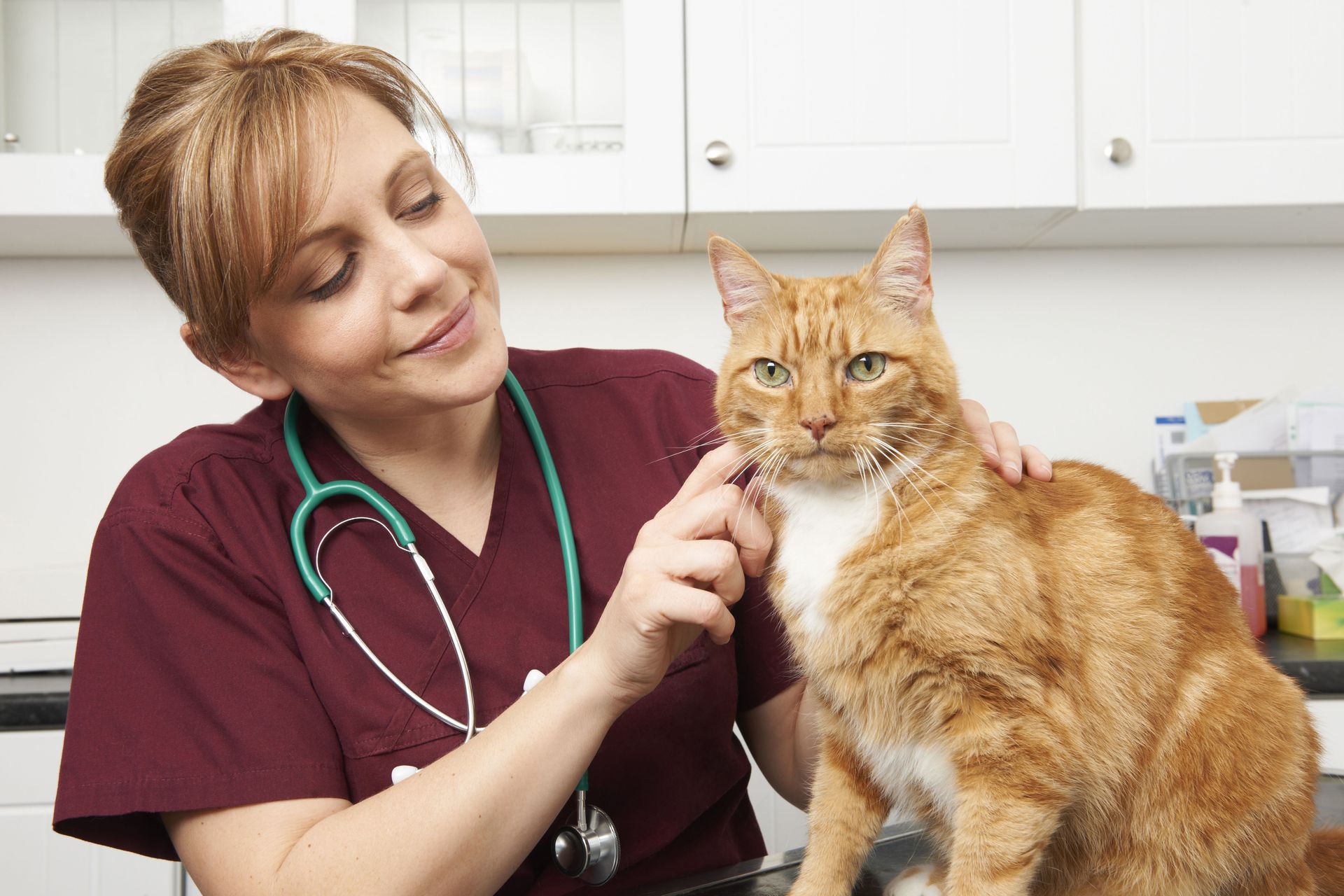
Bringing a feline companion into your home is a rewarding experience that requires a long-term commitment to their health. There is a reason cats are known for their stoic nature, often hiding signs of discomfort until a medical issue becomes severe. Because they instinctively mask pain, it's important that you remain vigilant and observe any subtle changes in behavior, appetite, or litter box habits. Establishing a strong relationship with local veterinarians ensures your pet receives proactive care before minor ailments develop into serious health concerns. Regular checkups provide an opportunity to catch early warning signs that might otherwise go unnoticed.
Understanding the most frequent medical issues your companion might face helps you make informed decisions regarding their care. Many feline illnesses share overlapping symptoms, making professional diagnosis an essential part of responsible pet ownership. A proactive approach involves monitoring daily routines and seeking professional guidance when something seems amiss. Knowing what to look for helps you communicate effectively with medical professionals and secure timely treatments. Explore four common ailments that frequently prompt a clinic visit and how these issues are managed.
1. Feline Lower Urinary Tract Disease
Urinary issues represent a significant reason why cats require prompt medical attention. Feline lower urinary tract disease encompasses various conditions that affect the bladder and urethra. Affected cats often strain to urinate, vocalize in the litter box, or groom their hindquarters frequently. You'll likely notice them urinating outside their designated box, which is an indicator of discomfort rather than behavioral defiance. This condition can escalate rapidly, especially in male cats who are prone to urethral blockages. When a blockage occurs, it's a life-threatening emergency requiring immediate intervention.
Even without a full obstruction, inflammation and crystal formation cause significant pain and distress. Treatment typically depends on the underlying cause, which can range from stress-induced inflammation to bladder stones. According to the American Veterinary Medical Association, 32.6% of all U.S. households have at least one cat. With so many feline companions in homes across the country, urinary tract issues remain a frequent topic of discussion in clinic exam rooms. Medical professionals will often perform blood panels and urinalysis to determine the cause of the problem. They'll also use imaging techniques to check for physical abnormalities.
Management often involves a multi-faceted approach to prevent future flare-ups. Dietary modifications play a large role in dissolving crystals and maintaining an optimal urine pH. Increasing water intake is another vital strategy, often achieved by switching to wet food or introducing pet fountains. Environmental enrichment shouldn't be ignored, as it serves to reduce stress, which is a known trigger for urinary inflammation. Providing multiple litter boxes and safe resting spaces helps feline companions feel secure in their territory.
2. Chronic Kidney Disease
Renal health is a major concern for aging feline populations, making chronic kidney disease a frequent diagnosis in senior pets. The kidneys filter waste products from the blood, regulate hydration, and maintain electrolyte balances. When kidney function declines, waste accumulates in the bloodstream, leading to a range of systemic issues. Early stages of renal decline often present subtly, with increased thirst and more frequent urination being the primary indicators. Many pet owners attribute these changes to normal aging rather than a declining organ system, but they shouldn't ignore them.
As the disease progresses, clinical signs become much more apparent and harder to ignore. Weight loss, lethargy, decreased appetite, and vomiting emerge as the kidneys struggle to process toxins. Because kidney tissue can't regenerate, the focus of treatment shifts toward preserving remaining function and improving quality of life. Diagnosis involves blood screening and urine concentration tests to stage the disease accurately. Local veterinarians frequently recommend fluid therapy to help flush out accumulated toxins and maintain adequate hydration. Subcutaneous fluids can often be administered at home, allowing owners to participate in ongoing care.
It's important to remember that dietary management serves as the cornerstone of renal disease treatment. Prescription diets formulated for kidney support feature restricted phosphorus and highly digestible proteins to reduce the workload on the organs. Supplements to manage potassium levels and reduce stomach acidity are also common components of a comprehensive treatment plan. Regular progress checks help adjust the treatment protocol as the disease advances. While chronic kidney disease remains progressive and irreversible, dedicated medical care can extend a pet's life significantly.
3. Periodontal Disease
Dental health frequently takes a backseat in pet care, yet periodontal disease remains one of the most widespread ailments affecting adult felines. Plaque accumulates on teeth and hardens into tartar, providing a breeding ground for bacteria. This bacterial infection causes gum inflammation, known as gingivitis, which can eventually damage the structures supporting the teeth. Bad breath, difficulty chewing, and pawing at the mouth indicate that your pet's experiencing dental discomfort. Advanced dental disease causes significant pain and can lead to tooth loss or dangerous systemic infections if left unaddressed.
Bacteria from the mouth can enter the bloodstream and affect major organs, including the heart and kidneys. Many cats don't stop eating despite severe oral pain, making it difficult for owners to recognize the severity of the problem. Routine oral examinations are critical for identifying tartar buildup and early stages of gingivitis before they progress. Professional dental cleanings performed under general anesthesia allow for a comprehensive evaluation of the oral cavity. During these procedures, medical teams can clean beneath the gum line where the most damaging bacteria reside.
Dental radiographs help identify hidden issues such as tooth resorption, a painful condition where the body breaks down the tooth structure. Extracting damaged teeth is often necessary to eliminate the source of chronic pain and infection. At-home dental care provides a proactive way to maintain oral hygiene between professional cleanings. For cats who don't tolerate brushing well, local veterinarians often suggest dental diets, water additives, and specialized treats as alternative ways to reduce tartar buildup. Establishing an oral care routine early in life helps normalize the process.
4. Feline Upper Respiratory Infections
Respiratory infections spread rapidly among felines, particularly in multi-pet households or boarding facilities. These infections aren't always bacterial; they're primarily caused by viral agents like feline herpesvirus. Symptoms often mirror human colds, presenting with frequent sneezing, nasal congestion, runny eyes, and a mild fever.
When a cat doesn't have their full sense of smell due to nasal congestion, their appetite usually declines sharply. This lack of eating can lead to dehydration and weakness, complicating recovery. Providing care at home involves keeping their eyes and nose clear of discharge using warm, damp cloths. Encouraging food intake by offering warmed wet food is essential for recovery.
While mild cases often resolve with supportive home care, severe infections won't heal without medical intervention. Secondary bacterial infections might prompt local veterinarians to prescribe oral antibiotics or specialized eye drops. Maintaining a low-stress environment helps speed up the healing process and minimizes the chance of future viral flare-ups, since these viruses can remain dormant and resurface during times of stress.
Safeguarding your feline companion against common ailments requires dedication, close observation, and consistent medical care. Because cats hide their vulnerabilities, recognizing subtle behavioral shifts is an essential component of pet ownership. Partnering with local veterinarians establishes a reliable foundation for your pet's ongoing health, ensuring they receive necessary care before minor symptoms escalate.
Staying informed about prevalent conditions enables you to act swiftly when issues arise. Timely interventions not only alleviate pain but also prevent manageable conditions from escalating into emergencies. By prioritizing routine examinations and creating a supportive home environment, you'll ensure your furry companion enjoys a comfortable, healthy life.
To schedule a wellness exam for your cat, contact our experienced local veterinarians at Franklin Veterinary Associates today.