October 19, 2026
In this article, we explore the essentials for maintaining a healthy and happy adult cat. From nutrition and healthcare to mental stimulation and social needs, we've got you covered to ensure your feline friend thrives. Cats are unique creatures that require care tailored to their specific needs, promoting a balanced lifestyle that supports their health and happiness. Whether it is about ensuring their diet is nutritionally complete or understanding the importance of regular veterinary check-ups, this guide aims to provide comprehensive insights for cat owners. Let's delve into the multifaceted responsibilities of caring for an adult cat.
Nutrition and Diet
Balanced Meal Planning
Proper nutrition is the cornerstone of your cat's overall health. A balanced diet for an adult cat should typically include high-quality protein sources, healthy fats, and some carbohydrates. Proteins are essential for maintaining muscle mass and supporting overall health, while fats help in nutrient absorption and providing energy. Although cats are obligate carnivores, carbohydrates can also be part of a balanced diet, supporting digestion and providing energy. To ensure your cat's dietary needs are met, consider consulting a veterinarian for specific recommendations tailored to your cat's health status and lifestyle.
When planning meals, it is crucial to select high-quality commercial cat food that meets established nutritional guidelines. These foods usually come with assurance that they contain appropriate nutrients in the right proportions. Look for cat food brands approved by reputable organizations like the Association of American Feed Control Officials (AAFCO). Additionally, ensure the diet includes essential vitamins and minerals, such as taurine, which cats cannot produce in sufficient quantities on their own. Cat owners can avoid numerous health issues by ensuring meals are thoughtfully balanced and nutrient-rich.
Portion Control
Portion control is an essential aspect of feeding your cat and maintaining its health. Feeding your cat the correct portion size helps prevent obesity, a common issue in domestic cats. Obesity can lead to numerous health issues, including diabetes, heart disease, and joint problems. Cats who carry excess weight might also have a lower quality of life and reduced accessibility to regular activities. Therefore, consulting your veterinarian to determine the appropriate serving size for your cat's age, weight, and activity level is imperative.
Using measuring cups or weight scales ensures that you provide consistent and accurate food portions. Pay attention to the feeding guidelines on cat food packages, but remember these are general recommendations that may need adjusting based on your cat's specific needs. Depending on whether your cat is an indoor or outdoor cat, the caloric needs might differ significantly. Moreover, active cats may require larger portions than more sedentary ones. Regular monitoring of your cat's weight and body condition score will help refine portion sizes over time.
Exercise and Physical Activity
Indoor Versus Outdoor Play
The differences between indoor and outdoor play is a significant consideration in managing your cat's activity levels. Outdoor play allows for natural behaviors like climbing, hunting, and exploring, which can provide mental stimulation and physical exercise. However, it comes with inherent risks such as exposure to predators, traffic, and diseases. On the other hand, indoor environments, though safer, can limit opportunities for natural enrichment. Balancing these factors is crucial for optimizing playtime and exercise.
If outdoor play is chosen, supervised outings in a safe, enclosed yard or on a leash can mitigate some risks. Alternatively, constructing an enclosed outdoor space allows for safe exploration. When exclusively relying on indoor play, it's vital to enrich your cat's environment with various toys, climbing structures, and interactive play equipment. Regardless of environment, providing daily physical activity is fundamental to your cat's health. Regular playtime helps prevent obesity, improves muscle tone, and promotes flexibility.
Developing a consistent schedule for playtime ensures that exercise is a regular part of your cat's routine. Different play environments can complement each other and enrich your cat's life when safely executed. Regular vet check-ups can help ascertain whether your cat's activity level is adequate, providing additional insights into tailoring exercise plans. According to Cats.com, adult cats benefit from vet visits at least once a year to maintain their health. Prioritizing both safety and enrichment ensures your cat derives maximum benefit from their environment.
Interactive Toys
Interactive toys are vital tools in encouraging physical activity and stimulating curiosity in your cat. Such toys can mimic prey and engage your cat's natural hunting instincts, providing both exercise and mental stimulation. Feather toys, laser pointers, and small balls can excite your cat's innate desires to chase, pounce, and capture. Dedicated playtime with interactive toys can significantly contribute to physical wellness by keeping muscles toned and joints agile. This type of enrichment also helps alleviate boredom and reduces behavioral issues stemming from inactivity.
Beyond physical activity, interactive play supports cognitive health, challenging your cat to strategize and problem-solve. Rotating toys periodically prevents monotony and sustains an engaging playtime experience. This rotation introduces novelty, promoting continuous interest and interaction. Various textures and movements enabled by these toys provide sensory enrichment, completing a well-rounded approach to play. Through consistent engagement, interactive toys create opportunities for bonding between you and your cat, enhancing the human-feline relationship.
Personalized play sessions with interactive toys are opportunities to observe your cat's preferences and tailor activities accordingly. Consider incorporating a range of toy types to cater to different interests, such as fishing rods, puzzle feeders, or electronic moving toys. Such variety ensures that playtime remains an enriching, multifaceted experience. Engaging in these sessions daily helps establish predictable routines, necessary for nurturing a well-adjusted and content pet. Overall, integrating interactive toys into your cat's life is a proactive step towards a healthier, happier feline companion.
Routine and Consistency
Establishing a routine and maintaining consistent exercise schedules are vital for your cat's health and behavioral stability. Cats thrive on predictability, and having regular play and exercise times can form part of a secure routine. This predictability helps alleviate stress, contributes to positive behavioral patterns, and maintains physical health. Scheduled activities make it easier to monitor exercise levels and ensure sufficient physical engagement. A well-structured routine ensures that the necessary balance for optimal health is achieved consistently.
Consistency in physical activity assists in weight management, keeping your cat fit and avoiding obesity-related diseases. Routine engagement also contributes to improving joint health and reducing the likelihood of injury. Consistent play sessions allow opportunities to assess any changes in physical ability or interest level, which could signal underlying health issues. Making adjustments to routines as your cat ages or as their preferences change is part of maintaining an enriching lifestyle. Prioritizing both structure and flexibility in exercise routines is ultimately beneficial for your feline friend.
Daily routines that balance free play, interactive sessions, and rest offer a framework that caters to all aspects of your cat's well-being. Having time set aside for playful interaction strengthens your pet's trust and affection towards you, building a foundation of companionship. This routine supports mental health by channeling energy into constructive activities. Aspects of routine, such as feeding, grooming, and playtime, should seamlessly integrate into daily life, encouraging comfort and stability. A diligent approach to routine management reflects a commitment to maintaining your cat's long-term well-being.
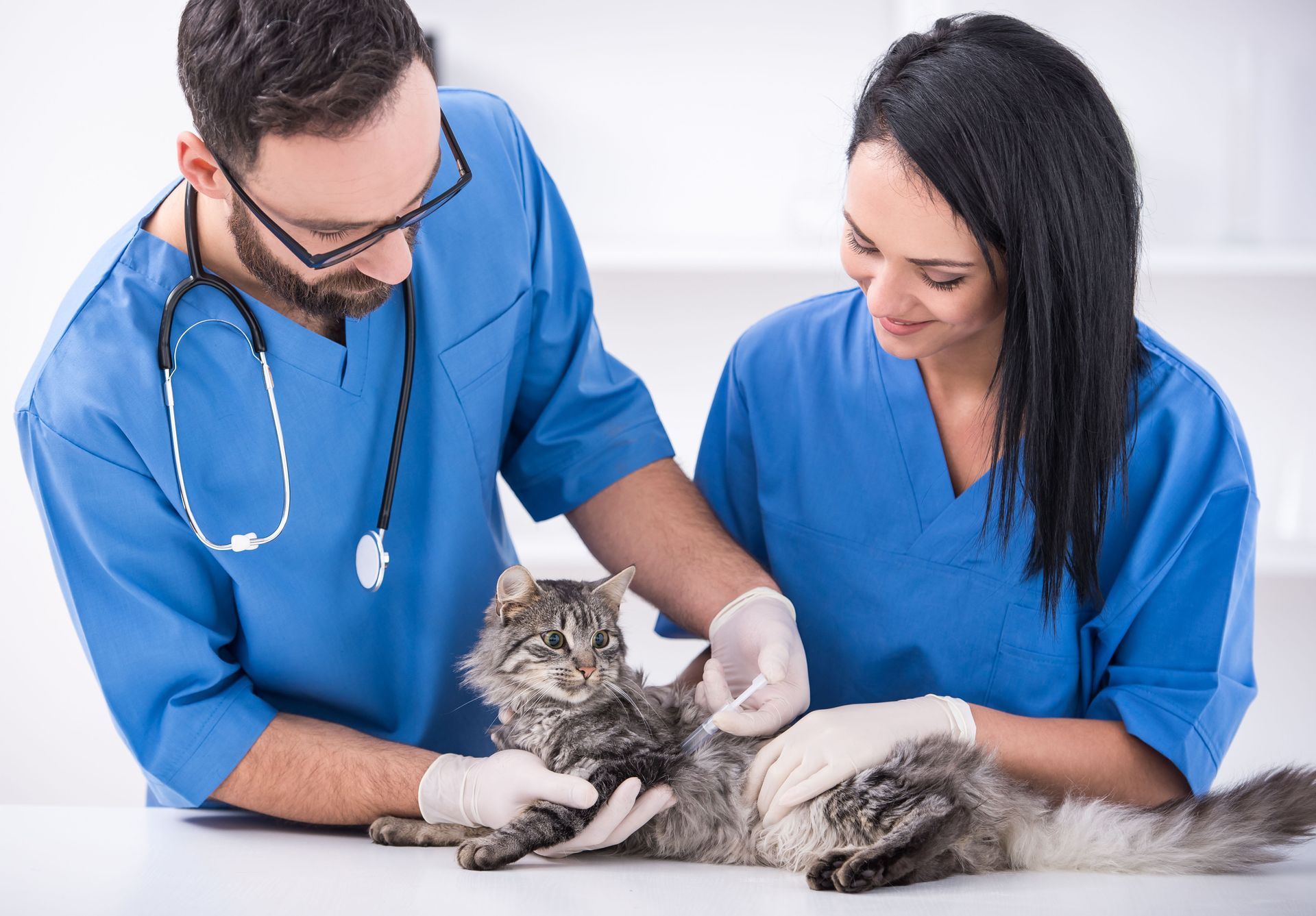
Adopting a comprehensive approach to health, including preventatives, sustains a higher level of overall wellness. Recording vaccinations and preventive treatments ensures all measures remain current and effective. Open discussions with your vet about your cat's lifestyle and potential exposure risks can tailor preventive care to meet specific needs. Utilizing the available resources allows you to maintain an up-to-date regimen tailored to your cat's unique requirements. Through vaccination and preventive strategies, you create a framework supporting your cat's enduring health and well-being. If you're looking for a veterinarian to help give your adult cat the best life, contact or visit Franklin Veterinary Associates today.